Modernizing Accessibility & Interface Foundations
Year
2026
Industry
Healthcare
My Role
UX/UI Strategy · Design System Structuring · Accessibility Alignment
Executive Summary
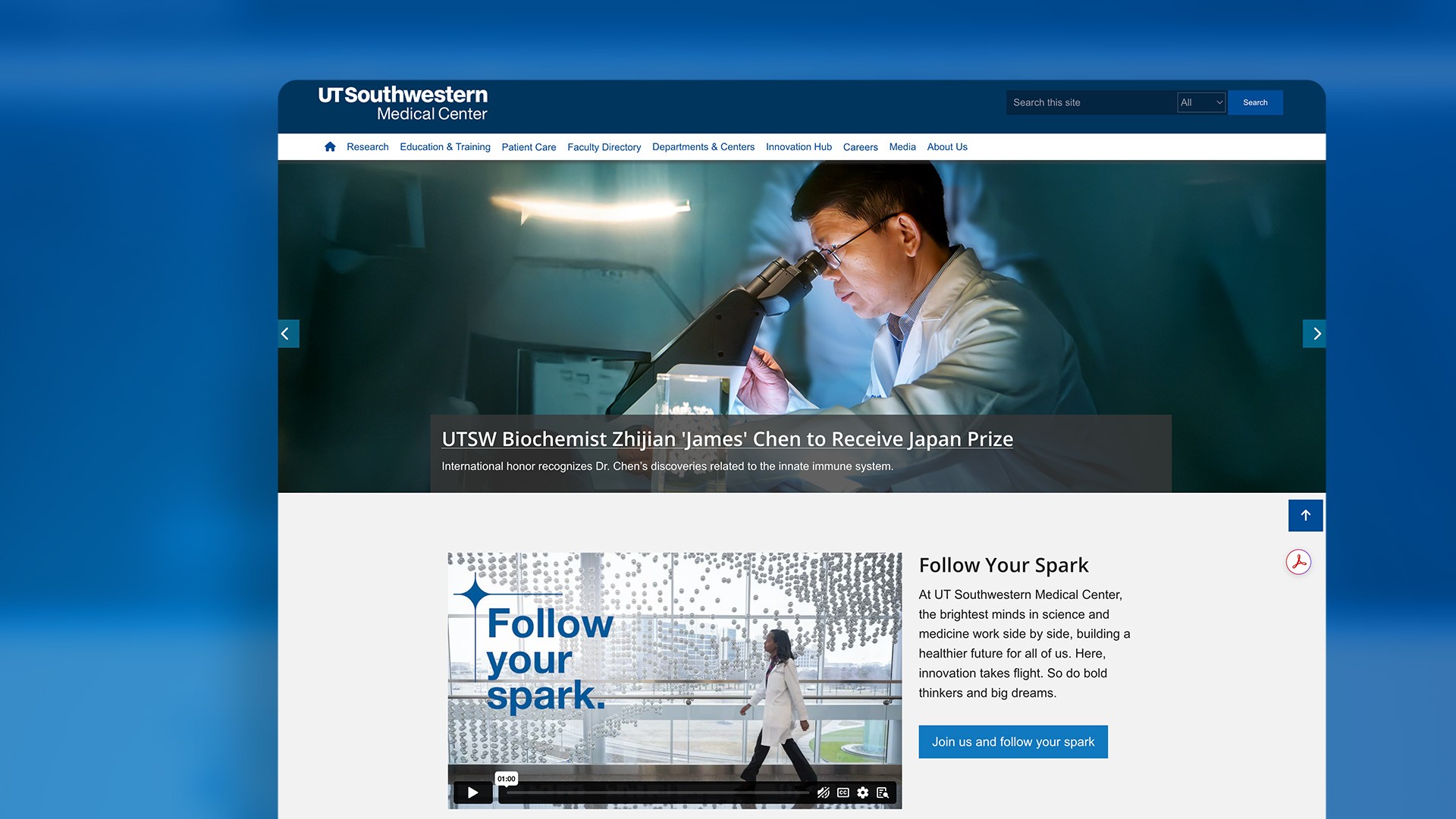
I've modernized core interface foundations, addressing accessibility gaps, visual inconsistency, and fragmented component logic. The engagement focused on strengthening WCAG alignment, improving interface predictability, and establishing scalable design systems capable of supporting long-term digital evolution.
The initiative resulted in a more cohesive, accessibility-aware interface framework that improved visual clarity, reduced structural friction, and reinforced usability consistency across digital touchpoints.
Impact highlights
Strengthened accessibility alignment across core interface patterns
Established WCAG-compliant color & contrast foundations
Reduced visual fragmentation and interface inconsistency
Introduced scalable component logic for future growth
Improved legibility, hierarchy, and usability predictability
Introduction
Outdated component logic and visual inconsistency were creating usability gaps and accessibility risk across the digital ecosystem. Signalshape Studio partnered with internal stakeholders to modernize interface foundations, strengthen accessibility alignment, and establish scalable structural systems that support growth, clarity, and compliance.

Challange
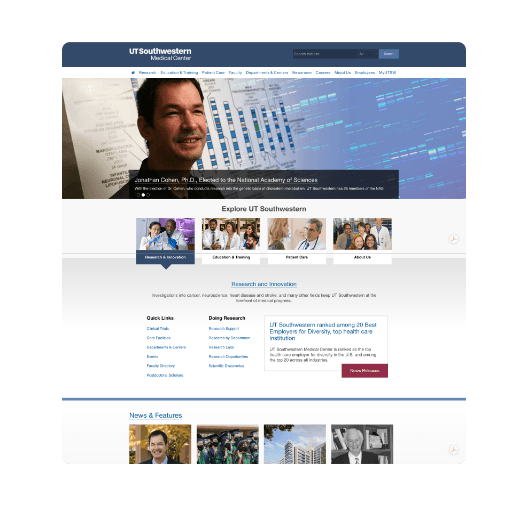
A fragmented interface system — inconsistent visual patterns, uncontrolled color usage, and legacy components — was undermining accessibility compliance and diluting user clarity. These foundational inconsistencies made scalable development and cohesive interaction behavior difficult, increasing cognitive load for users and complicating internal design governance.
Strategic Constraints
The engagement needed to operate within legacy interface systems, pre-existing workflows, and complex stakeholder alignment requirements. Accessibility compliance, visual consistency, and component predictability had to be improved without slowing production cycles or introducing friction for internal teams.
Solutions prioritized scalable system design, WCAG-aligned accessibility improvements, and structural cohesion, ensuring lasting impact across the platform’s digital ecosystem.
Strategic Actions
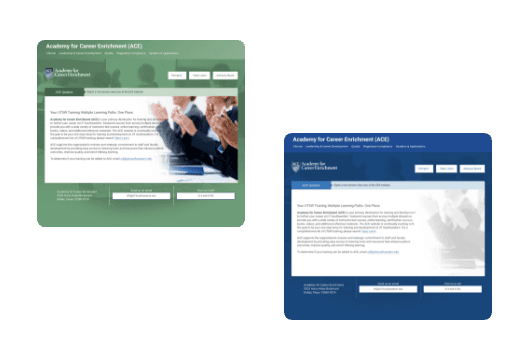
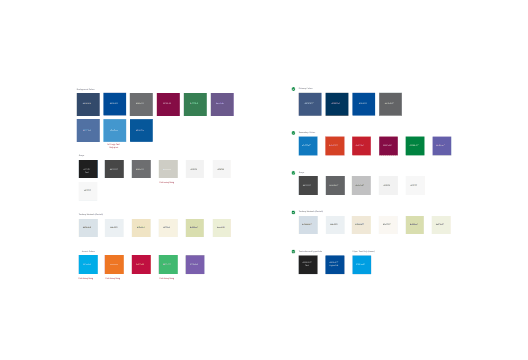
Redesigned the color palette to meet WCAG contrast standards and support visual hierarchy
Built AAA-ready contrast pairings for improved legibility and accessibility
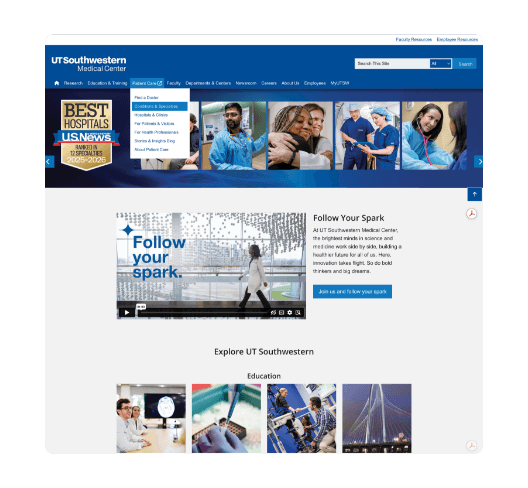
Standardized behavior and usage rules for core UI components
Reduced visual fragmentation for consistent interaction across screens
Key Decisions & Contributions
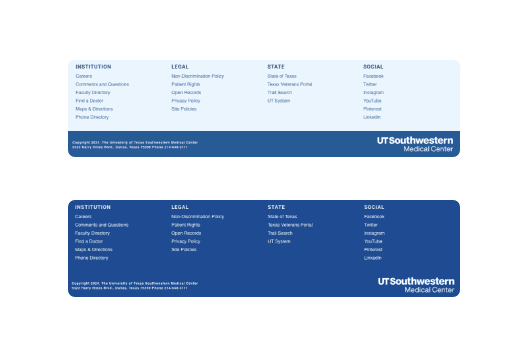
By unifying visual systems and strengthening accessibility foundations, the refreshed interface improved usability predictability, reduced fragmentation, and aligned the design ecosystem with modern accessibility expectations. These foundational improvements support better user outcomes while reducing future design debt and development friction.
Outcome
By unifying visual systems and strengthening accessibility foundations, the refreshed interface improved usability predictability, reduced fragmentation, and aligned the design ecosystem with modern accessibility expectations. These foundational improvements support better user outcomes while reducing future design debt and development friction.
Let’s design scalable systems that deliver clarity and usability
More works
Year
2026
Industry
Healthcare
Space of work
Content
My Role
UX/UI Strategy · Design System Structuring · Accessibility Alignment
Executive Summary
Content
I've modernized core interface foundations, addressing accessibility gaps, visual inconsistency, and fragmented component logic. The engagement focused on strengthening WCAG alignment, improving interface predictability, and establishing scalable design systems capable of supporting long-term digital evolution.
The initiative resulted in a more cohesive, accessibility-aware interface framework that improved visual clarity, reduced structural friction, and reinforced usability consistency across digital touchpoints.
Impact Highlights
Strengthened accessibility alignment across core interface patterns
Established WCAG-compliant color & contrast foundations
Reduced visual fragmentation and interface inconsistency
Introduced scalable component logic for future growth
Improved legibility, hierarchy, and usability predictability
Introduction
Content
Outdated component logic and visual inconsistency were creating usability gaps and accessibility risk across the digital ecosystem. Signalshape Studio partnered with internal stakeholders to modernize interface foundations, strengthen accessibility alignment, and establish scalable structural systems that support growth, clarity, and compliance.
Challange
Content
A fragmented interface system — inconsistent visual patterns, uncontrolled color usage, and legacy components — was undermining accessibility compliance and diluting user clarity. These foundational inconsistencies made scalable development and cohesive interaction behavior difficult, increasing cognitive load for users and complicating internal design governance.
Strategic Constraints
The engagement needed to operate within legacy interface systems, pre-existing workflows, and complex stakeholder alignment requirements. Accessibility compliance, visual consistency, and component predictability had to be improved without slowing production cycles or introducing friction for internal teams.
Solutions prioritized scalable system design, WCAG-aligned accessibility improvements, and structural cohesion, ensuring lasting impact across the platform’s digital ecosystem.
Strategic Actions
Redesigned the color palette to meet WCAG contrast standards and support visual hierarchy
Built AAA-ready contrast pairings for improved legibility and accessibility
Standardized behavior and usage rules for core UI components
Reduced visual fragmentation for consistent interaction across screens
Key Decisions & Contributions
Content
Outcome
By unifying visual systems and strengthening accessibility foundations, the refreshed interface improved usability predictability, reduced fragmentation, and aligned the design ecosystem with modern accessibility expectations. These foundational improvements support better user outcomes while reducing future design debt and development friction.