Structuring a Scalable, Accessible Type System
Year
2026
Industry
Healthcare
My Role
UX Strategy · Typography System Design · Accessibility Optimization
Executive Summary
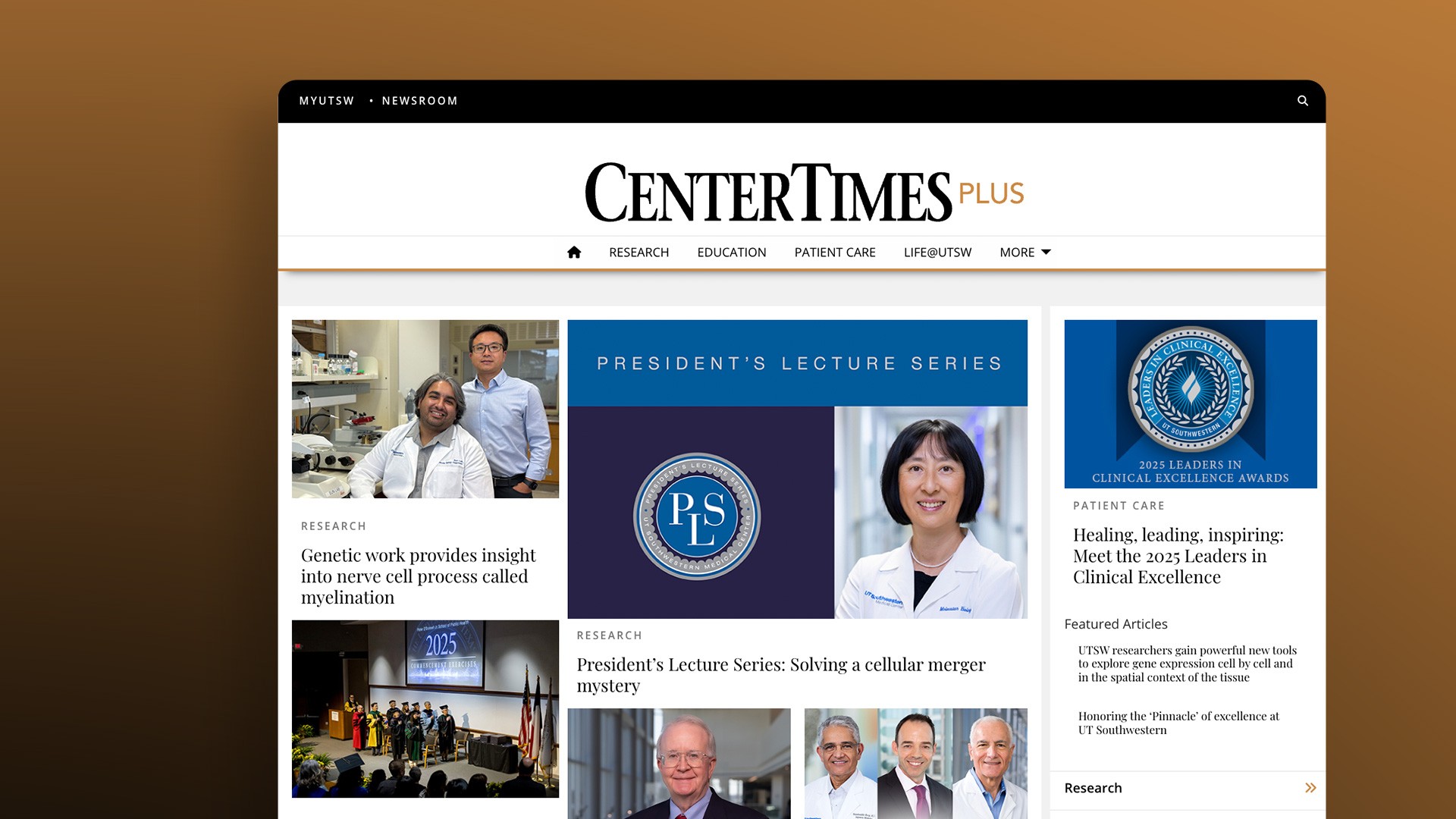
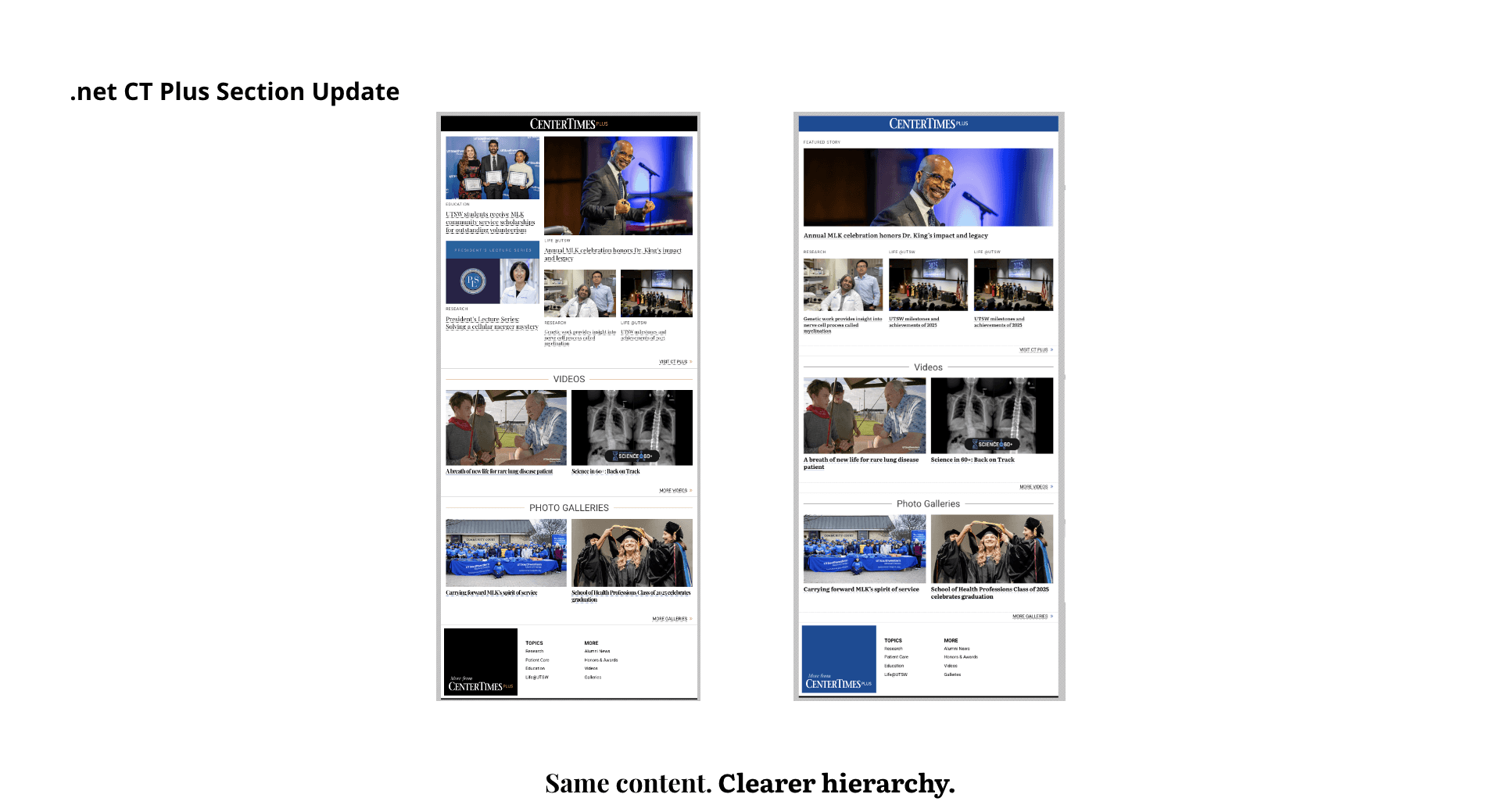
Worked closely with CenterTimes to improve content clarity, navigation structure, and interface hierarchy within a dense editorial environment. The engagement focused on reducing cognitive load, refining layout systems, and strengthening usability predictability to better align with reader behavior.
The refreshed experience established a clearer organizational framework that improved content discoverability and supported scalable editorial growth.
Impact highlights
Simplified content hierarchy and visual prioritization
Reduced cognitive load across reading workflows
Improved navigation clarity and content discoverability
Strengthened layout consistency and structural rhythm
Established scalable framework for editorial expansion
Introduction
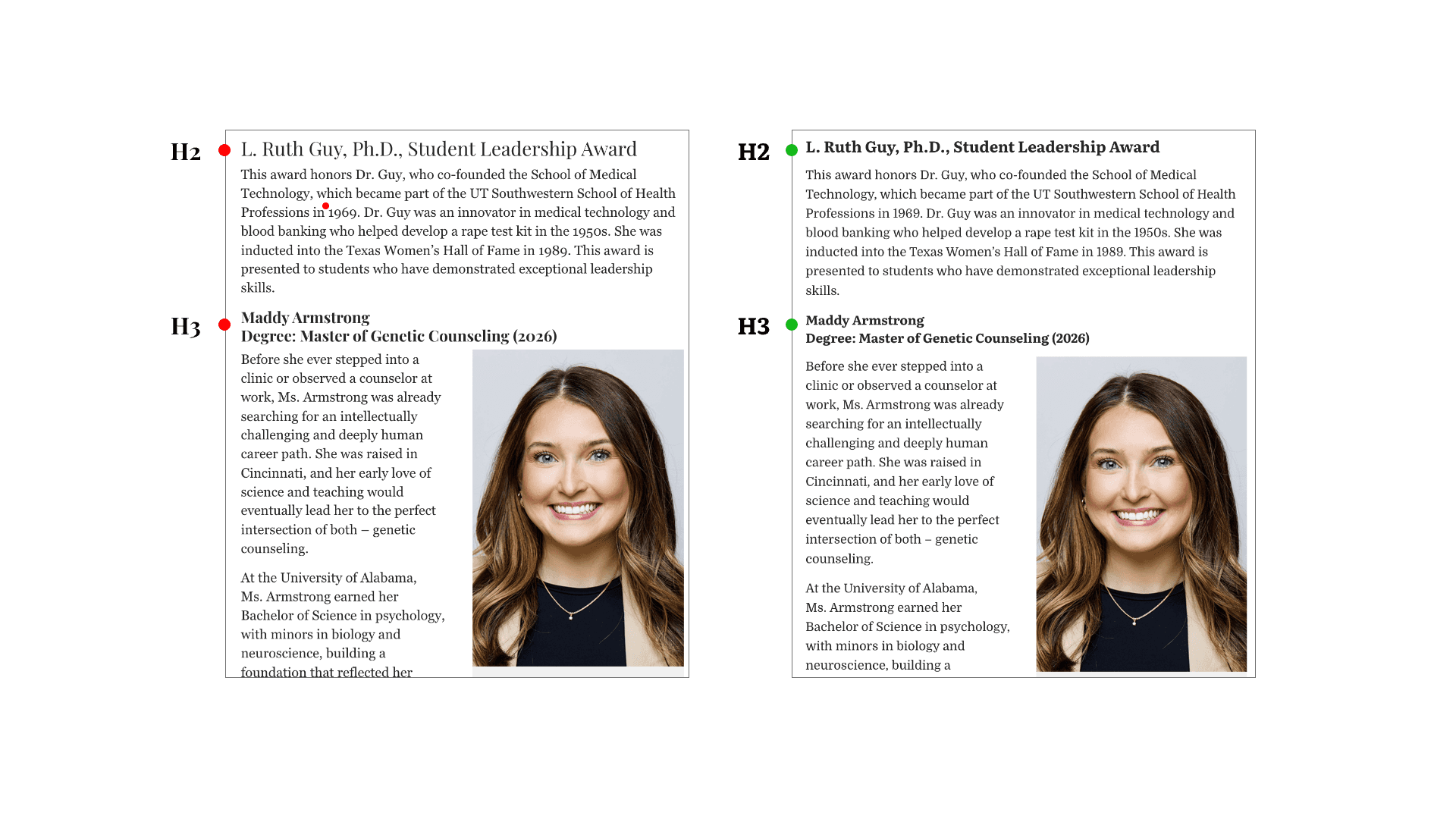
Developed a WCAG 2.2 AA compliant typography framework. Enhanced readability and visual consistency.
Challange
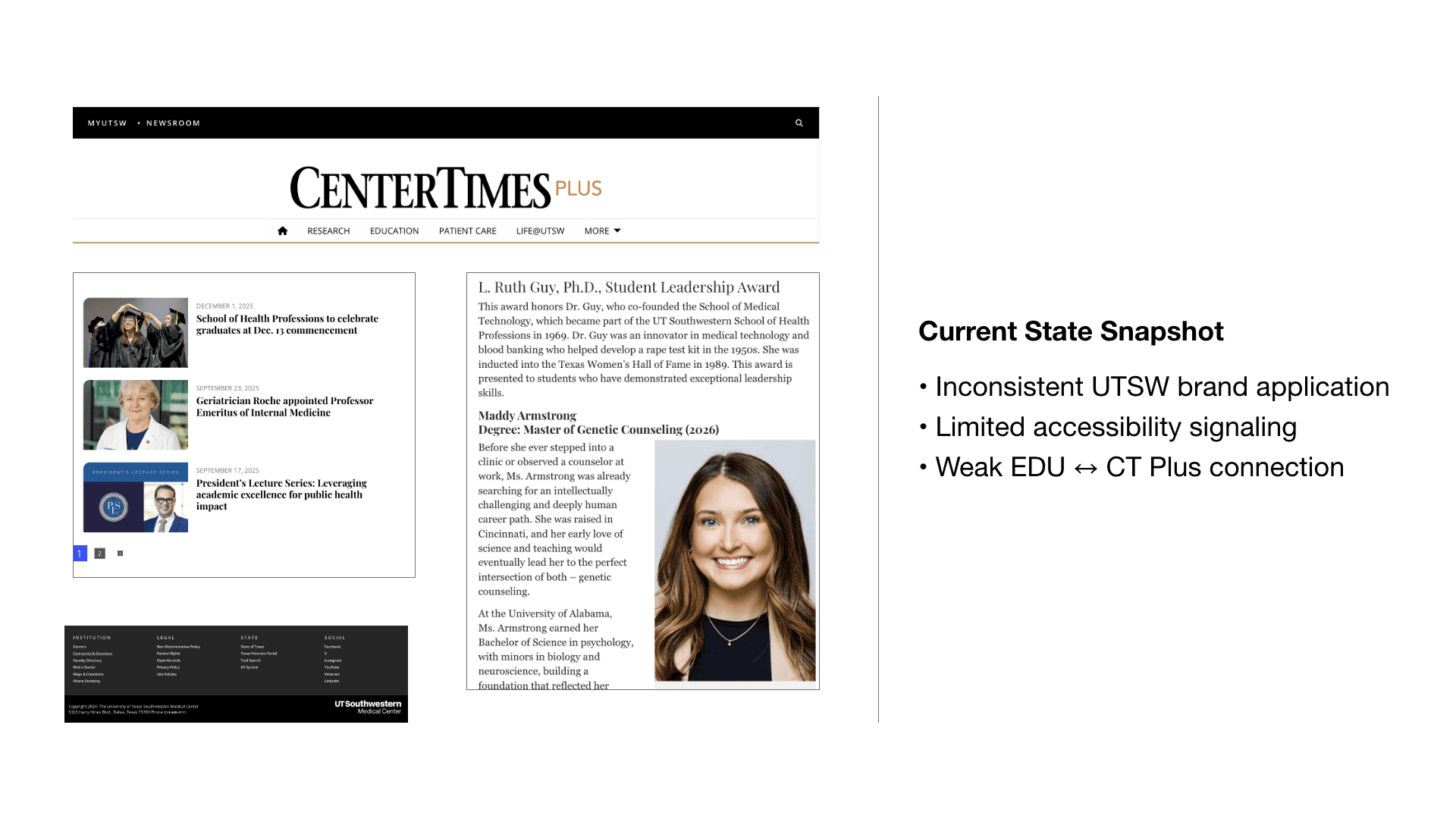
Content density and inconsistent visual hierarchy were creating cognitive overload, limiting reader efficiency and reducing content discoverability. Structural inconsistencies across layouts and navigation patterns made scanning, comprehension, and interaction predictability difficult. The platform required a clearer organizational framework capable of supporting editorial flexibility without sacrificing usability clarity.
Strategic Constraints
The project required balancing typographic clarity with accessibility compliance while integrating into existing component systems. Legacy text styles and inconsistent hierarchy created cognitive friction, and any updates had to maintain production efficiency without disrupting ongoing design workflows.
Design decisions focused on long-term scalability, consistency across digital products, and WCAG-aligned accessibility standards, ensuring the type system would serve as a stable foundation for future interface expansions.
Strategic Actions
Designed structured type hierarchy
Improved visual rhythm & readability
Aligned typography with WCAG standards
Created scalable usage rules
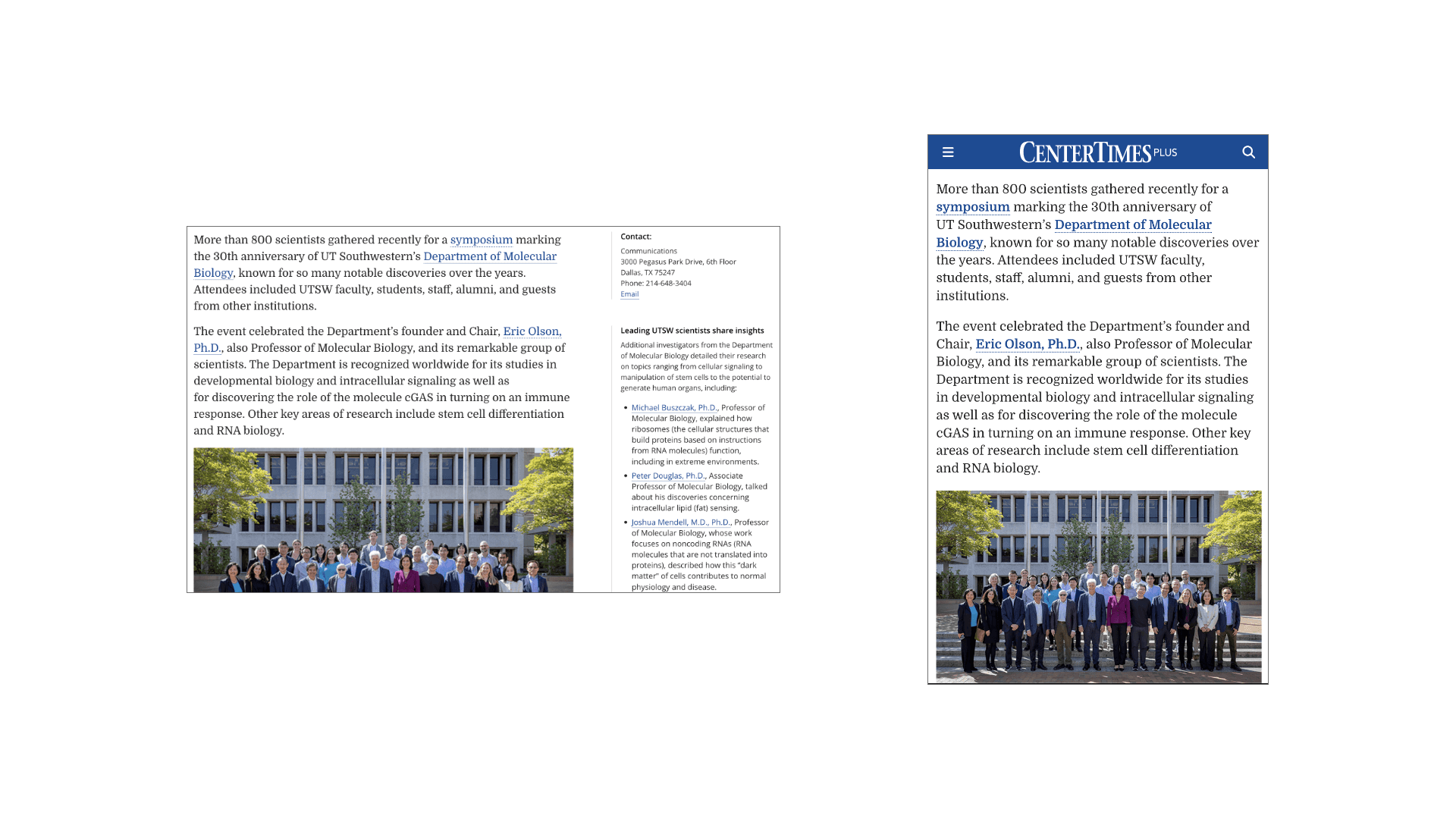
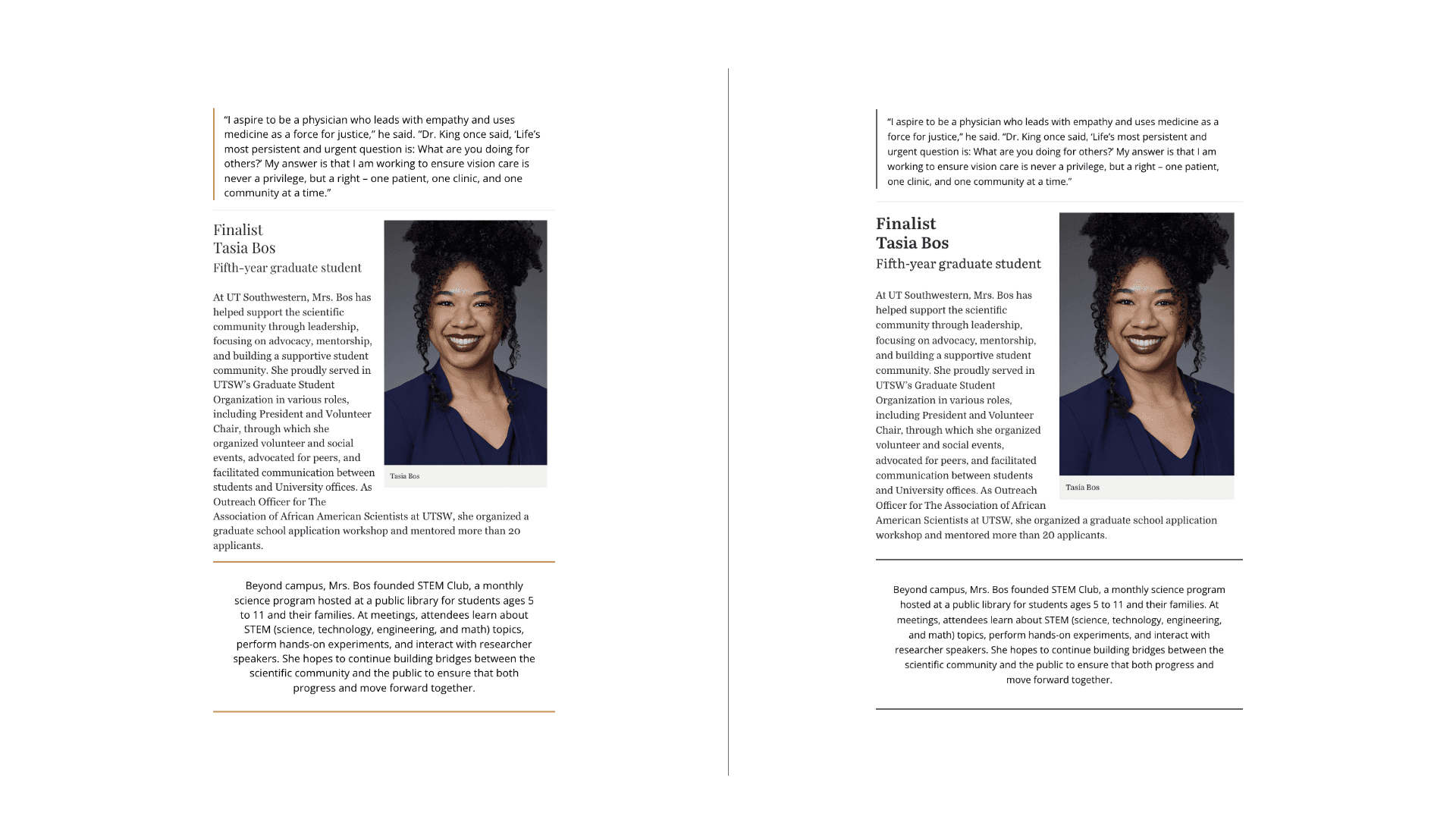
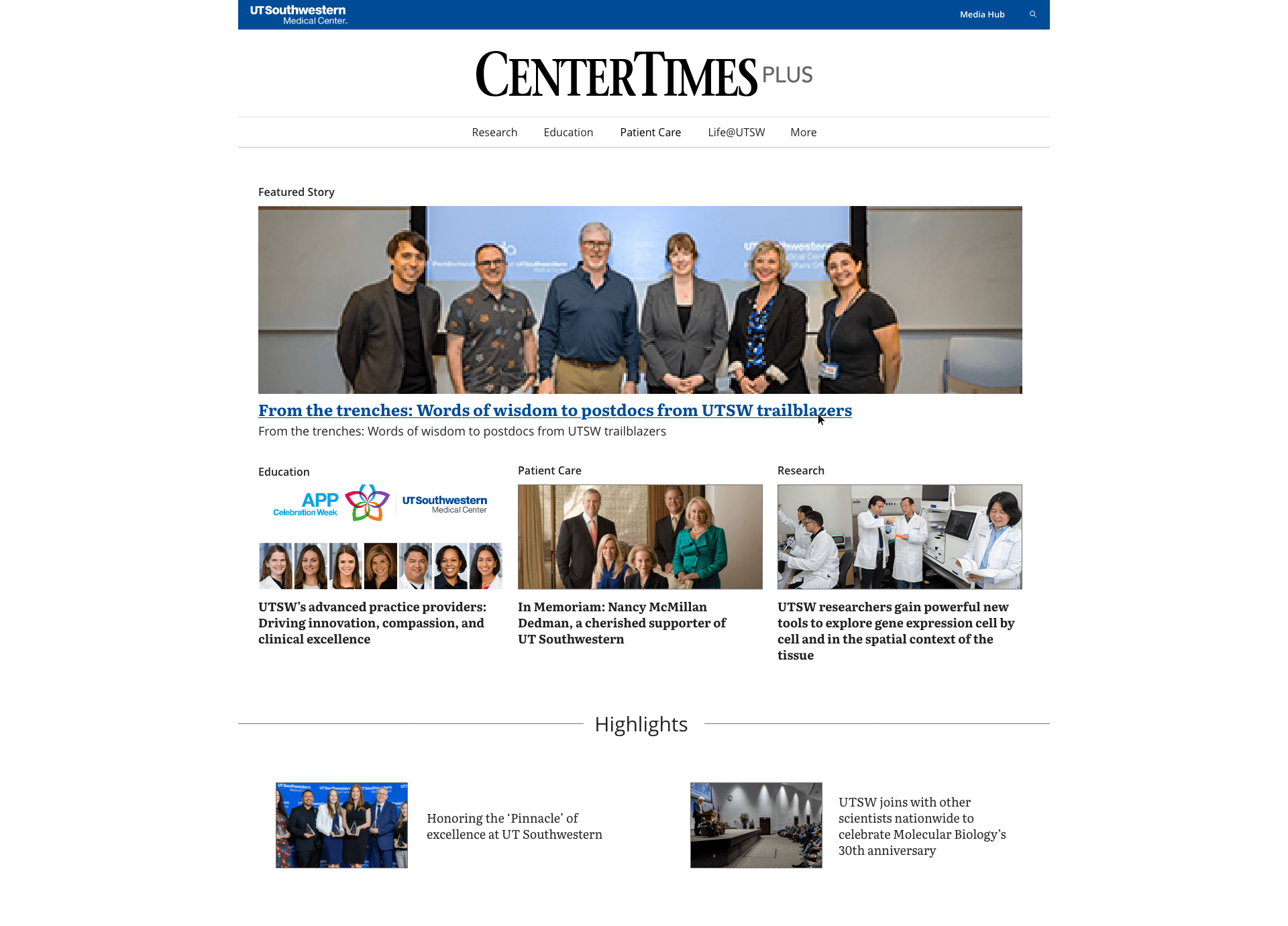
Key Decisions & Contributions
The refreshed experience delivered a more focused reading environment that improved content clarity, reduced cognitive load, and strengthened usability predictability. Structural refinements established a scalable framework capable of supporting future editorial expansion while maintaining interface coherence.
Outcome
The refreshed experience delivered a more focused reading environment that improved content clarity, reduced cognitive load, and strengthened usability predictability. Structural refinements established a scalable framework capable of supporting future editorial expansion while maintaining interface coherence.
Let’s design scalable systems that deliver clarity and usability
More works

Year
2026
Industry
Healthcare
Space of work
Content
My Role
UX Strategy · Typography System Design · Accessibility Optimization
Executive Summary
Content
Worked closely with CenterTimes to improve content clarity, navigation structure, and interface hierarchy within a dense editorial environment. The engagement focused on reducing cognitive load, refining layout systems, and strengthening usability predictability to better align with reader behavior.
The refreshed experience established a clearer organizational framework that improved content discoverability and supported scalable editorial growth.
Impact Highlights
Simplified content hierarchy and visual prioritization
Reduced cognitive load across reading workflows
Improved navigation clarity and content discoverability
Strengthened layout consistency and structural rhythm
Established scalable framework for editorial expansion
Introduction
Content
Developed a WCAG 2.2 AA compliant typography framework. Enhanced readability and visual consistency.
Challange
Content
Content density and inconsistent visual hierarchy were creating cognitive overload, limiting reader efficiency and reducing content discoverability. Structural inconsistencies across layouts and navigation patterns made scanning, comprehension, and interaction predictability difficult. The platform required a clearer organizational framework capable of supporting editorial flexibility without sacrificing usability clarity.
Strategic Constraints
The project required balancing typographic clarity with accessibility compliance while integrating into existing component systems. Legacy text styles and inconsistent hierarchy created cognitive friction, and any updates had to maintain production efficiency without disrupting ongoing design workflows.
Design decisions focused on long-term scalability, consistency across digital products, and WCAG-aligned accessibility standards, ensuring the type system would serve as a stable foundation for future interface expansions.
Strategic Actions
Designed structured type hierarchy
Improved visual rhythm & readability
Aligned typography with WCAG standards
Created scalable usage rules
Key Decisions & Contributions
Content
Simplified content hierarchy to improve scanning efficiency
Refined layout structure to reduce visual competition
Clarified navigation pathways for better discoverability
Improved visual prioritization across dense content views
Standardized spacing and structural rhythm
Outcome
The refreshed experience delivered a more focused reading environment that improved content clarity, reduced cognitive load, and strengthened usability predictability. Structural refinements established a scalable framework capable of supporting future editorial expansion while maintaining interface coherence.